
On this page
A school open day can be enjoyable and still leave a parent uncertain about an important detail. A prepared visit helps you move beyond the general atmosphere to the questions that affect your child’s daily experience. You do not need an interview script. A short set of priorities and a way to record answers are usually more useful.
An open day and a private tour are different opportunities. An open day may bring several families together around a planned programme. A private tour is a booked visit to a selected campus. Check the school’s current announcements rather than assuming an event date has been confirmed.
Before booking, choose the right campus
Allied’s campuses serve different pathways. Robertsham is co-educational and offers three months through Grade 12. Castle for Kids offers three months through Grade 3. The Girls and Boys campuses are in Fordsburg. Your questions will be more productive when the booking matches the learner’s stage.
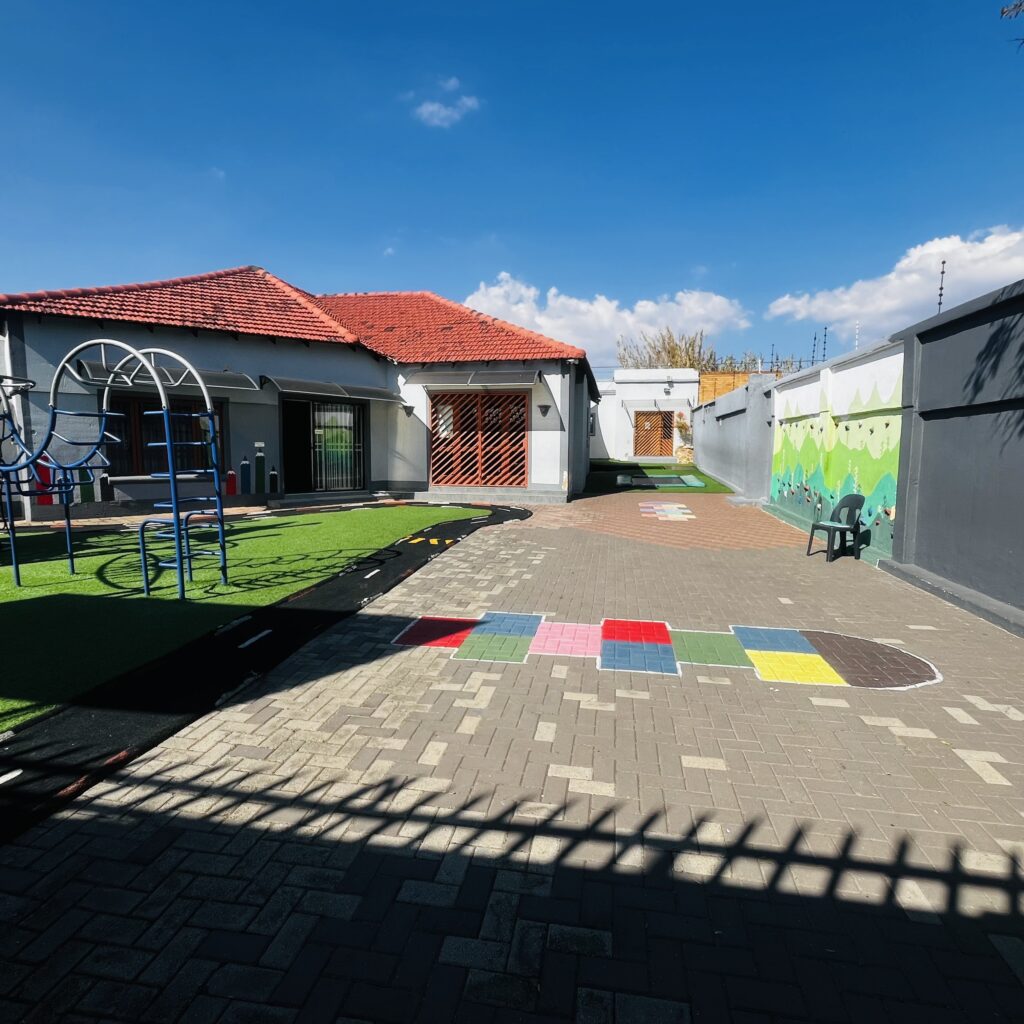
Confirm the address in the event or booking information. Robertsham and Castle are separate locations. Allow time to find the visitor entrance and report as requested. If a family member has an access requirement or you need to bring another child, ask about the arrangement before arriving.
Write down three priorities
Choose the issues you most need the visit to answer. They may be the learning programme, the way the school communicates or whether the collection routine works for the household. For a high-school learner, subject information may be essential. For a baby or young child, care routines and settling may take priority.
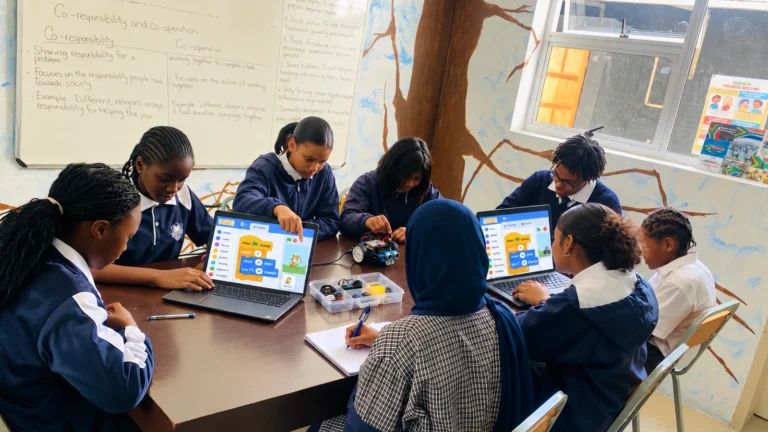
Turn broad hopes into questions. Instead of “Is support good?”, ask, “How would we hear if our child was struggling with work, and what happens next?” Instead of “Do you do robotics?”, ask for an age-appropriate example and how it supports learning. Questions that invite explanation are easier to compare afterwards.
Read a little before you arrive
Use the curriculum overview, fees and admissions information to cover the basics. You can then use the visit to clarify the intended grade rather than spending all your time establishing what is already published. Note any point that seems unclear or different across the information you have read.
If you are considering a transfer, take a recent report or a short summary of the current grade and subjects if the school has asked for it. Do not carry sensitive documents unnecessarily or leave records with someone unless you understand the submission process.
Involve your child without making them perform
Explain that the visit is a chance to look, listen and ask questions. A younger child may want to know where they would play or who would help them. An older learner may want to ask about lessons, subjects or joining a new class. Their questions can reveal concerns that adults have not considered.
A child does not have to be immediately enthusiastic for the visit to be useful. New places can feel unfamiliar. Notice what interests them and what they do not understand, then discuss it calmly afterwards. Avoid asking them to compare every detail while the visit is still in progress.
Observe a routine, not only a display
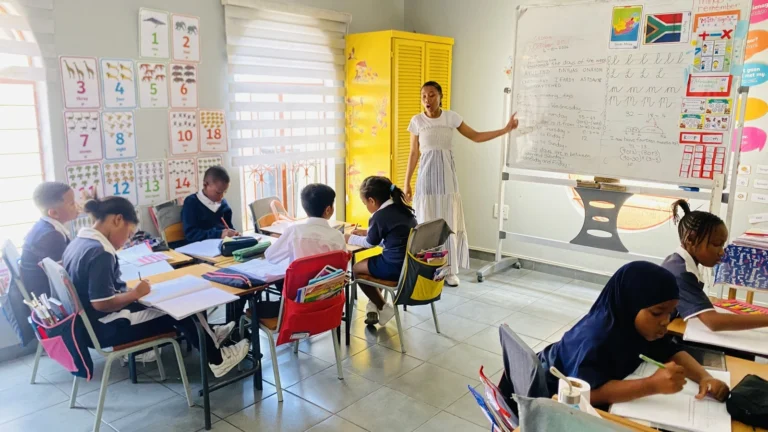
Look for the parts of the environment your child would use. Ask how a normal day differs from the event programme. A prepared activity can demonstrate an idea, but it does not by itself establish how every lesson or break works. Ask for the ordinary routine and the way parents receive information.
- How are new learners helped to settle?
- What does the relevant grade’s programme include?
- How are progress and concerns communicated?
- What are the arrival and collection procedures?
- What aftercare arrangement should we confirm if needed?
- Which fees and supporting documents apply to our enquiry?
Keep the questions respectful and specific. If staff cannot answer a detailed point immediately, ask who can follow up rather than treating a missing answer as a promise or a refusal.
Check the practical and financial fit
Ask about the relevant grade’s tuition and instalments, joining costs, uniforms, books and optional services you expect to use. Use the written schedule for amounts. An informal conversation at a busy event should not replace confirmation of a financial arrangement.
Think about travel too. An event held outside normal arrival times may not show the daily school-run conditions. Check the route separately at a realistic time. Confirm collection permissions and the communication route for a delayed parent. Do not infer that transport is available simply because the campus welcomes families from nearby areas.
Afterwards, record facts and follow-up questions
Within a day of the visit, write one or two verified facts under each priority. Distinguish what you saw, what staff explained and what still needs clarification. Ask your child what felt welcoming, interesting or confusing. Compare the answers with the needs you recorded before the visit.
If the school appears suitable, check the application process and ask about current availability. A successful visit is not automatic admission. Keep the decision separate from the excitement of an event and make sure the household understands the commitment.
Visit Allied in a way that suits your enquiry
After visiting, the school-choice guide can help you compare the evidence against your original priorities.
Check Allied’s admissions page for current open-day information and RSVP instructions. If you prefer a booked campus visit, choose a school-tour appointment. Confirmed booking details should guide your arrival. Bring your priorities, leave room for your child’s questions and use the visit to decide whether the next step should be an application.
Fees, programme availability and admissions arrangements can change. Check the current branch information and speak to the relevant team. Our editorial standards.
Published 24 November 2026 · Updated 24 November 2026