
On this page
Parents researching early learning often encounter several labels on the same website: daycare, crèche, nursery school, preschool, Grade RR and Grade R. Those terms can help organise a search, but they do not by themselves explain a child’s day, the hours offered or the support available. Start with what the setting actually provides for your child’s age and stage.
This guide separates common uses of the labels from the questions that need a direct answer. It is not an age-placement ruling or a substitute for a campus’s current admissions criteria. A child’s proposed start date, previous experience and support needs all belong in the conversation.
Daycare usually puts the practical care question first
Families often use “daycare” when they need a safe, reliable daily care arrangement, especially for younger children. Their first questions may be about settling, feeding, sleep, collection and the length of the day. A setting may also offer play and learning experiences, so the label alone does not mean that learning is absent.
Ask for a group-specific routine. A baby’s feeding and rest needs differ from those of an older preschooler, and the handover information parents need will differ too. Confirm the hours and services in writing, including any arrangements outside the main programme. Do not assume that the word daycare means a particular closing time or includes aftercare.
Preschool describes an early learning environment
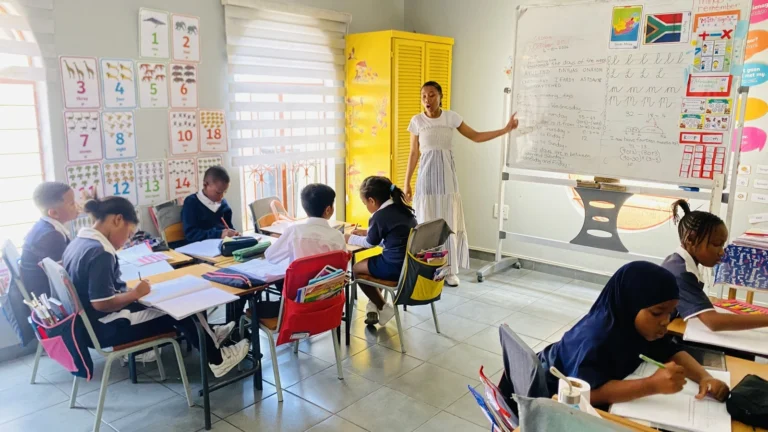
“Preschool” commonly refers to a programme before formal primary grades, with opportunities for children to communicate, play, explore and participate in routines with others. Providers use the word in different ways. Ask which groups it includes and what the educator aims to help children practise in each group.
An informative visit should reveal more than a list of activities. Ask how educators respond to different levels of confidence, language experience and independence. Request an example of how a story, building activity or drawing experience becomes a learning conversation. These examples help you compare the approach without expecting identical work from every child.
Grade R has a specific curriculum context
In the Department of Basic Education’s curriculum structure, the Foundation Phase covers Grade R to Grade 3. Its official Foundation Phase curriculum page provides subject policy documents for that stage. Grade R is therefore more specific than a general marketing label such as nursery school.
That does not mean a parent should assess Grade R by the number of worksheets sent home. Ask the school to explain its programme, how learning is observed and how it supports the transition to Grade 1. If placement or the correct starting year is uncertain, discuss the current admissions requirements directly rather than relying on a blog’s simplified age chart.
Grade RR and Grade RRR need an explicit explanation
Schools may use RR and RRR to distinguish groups before Grade R. Ask the particular school how those groups are organised and what the proposed group means for your child. A label cannot replace a clear explanation of age ranges, routines and transitions.
For example, ask whether children move groups at a fixed point in the year or through another agreed process. Find out how a child joining partway through a year is introduced. If you hear a different label at another setting, compare the actual programme rather than assuming that the names are directly interchangeable.
Compare the same practical details across all settings
- Daily routine: ask about arrival, meals, rest, play, learning and collection.
- Communication: establish who provides updates and how concerns are discussed.
- Care arrangements: discuss feeding, toileting, allergies and authorised collection.
- Transitions: ask how children settle and prepare for the next group or grade.
- Costs: distinguish tuition from registration and any optional services.
Write the answers in a comparison sheet. A useful row might read, “Who should I contact if my child struggles to settle?” The answer gives you a clearer basis for choosing than a row that simply says “good communication”. Leave space for unresolved questions and request written policies when the issue is important to your decision.
How this applies at Allied Castle for Kids
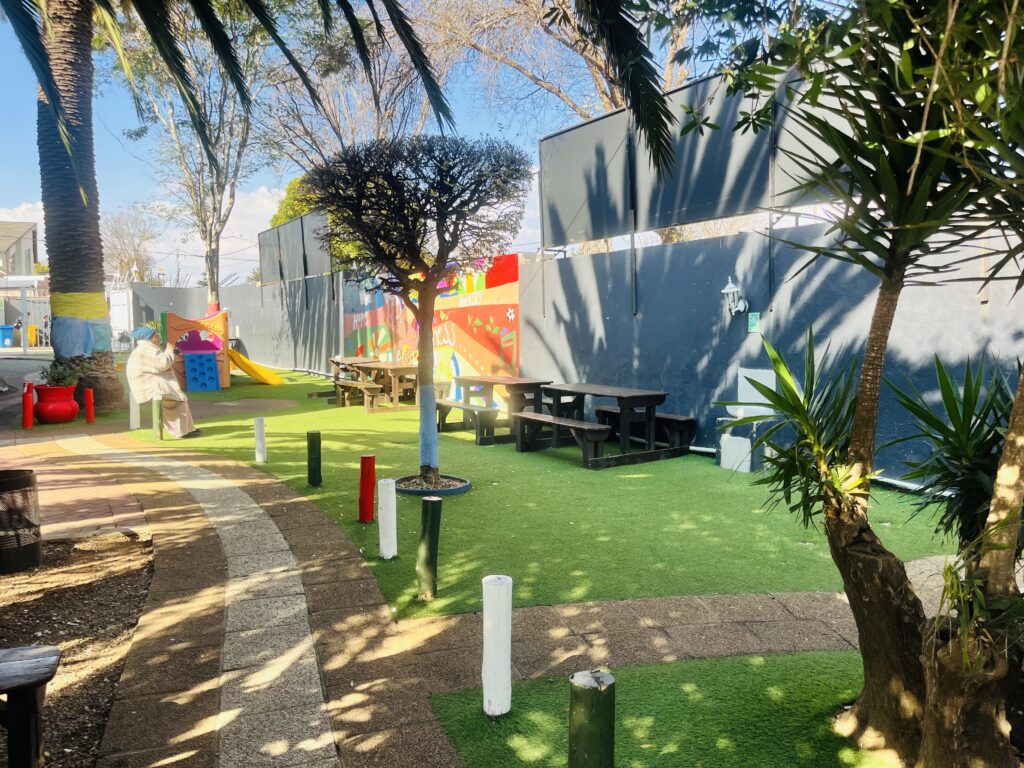
The Castle for Kids campus information covers care and learning from 3 months through Grade 3 at 188 Kimberley Road, Robertsham. Within that span, parents should ask about the precise infant or toddler group, pre-Grade R group or school grade they need. Do not treat the full range as one class or one timetable.
Castle’s Grade 3 maximum is also useful when planning ahead. Ask about transitions within the campus and what the family should consider for schooling after Grade 3. Allied School Robertsham is a separate campus with a wider school range; an appropriate route should be discussed through admissions, not assumed from the group name.
Match the choice to your family’s next step
If your immediate need is infant care, prioritise the care routine and communication that matter now. If you are preparing for Grade R, focus on the relevant programme, placement and transition. Both families can value a warm learning environment while asking different questions.
For the move into Grade R, use the readiness conversation checklist to organise observations about your own child.
Read the current branch fee schedule and check what each quoted line covers. Then arrange a Castle visit with your child’s age and intended start date ready. The most useful outcome is a clear understanding of the actual group and day you are considering, rather than a decision based on the label alone.
Fees, programme availability and admissions arrangements can change. Check the current branch information and speak to the relevant team. Our editorial standards.
Published 24 November 2026 · Updated 24 November 2026