
On this page
When comparing boys schools in Johannesburg, it is easy to focus on a school’s image: academic tradition, sports photographs or a confident description of discipline. Those signals do not establish whether a particular learner will be understood and supported. A useful comparison asks how teaching, responsibility and communication work in ordinary school life.
Start with your son as an individual. His interests, learning needs and confidence may differ from those of a sibling or a friend. Avoid deciding from an assumption about how all boys learn. The question is how a specific school works with the learner and family in front of it.
Ask what a productive learning day looks like
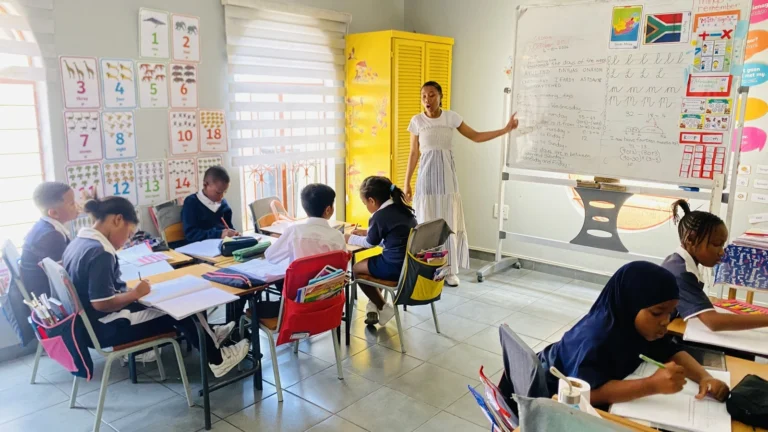
Request an explanation of a normal lesson and the learning expectations for the relevant grade. How does the teacher check understanding? What feedback is given? What happens when work is incomplete or a learner needs more practice? These questions help you examine teaching and follow-up together.
If your son has a particular learning difficulty or support need, discuss it honestly and privately. Ask what the school can provide, who would be involved and what might require external support. A broad promise of individual attention is not a substitute for a realistic conversation about the actual need.
Look for clear expectations and fair processes
Responsibility grows through understandable routines and consistent follow-up. Ask how learners know what is expected of them, how concerns are raised and how parents are involved when a pattern develops. You are looking for a process you can understand, rather than a claim that the school never experiences behaviour problems.
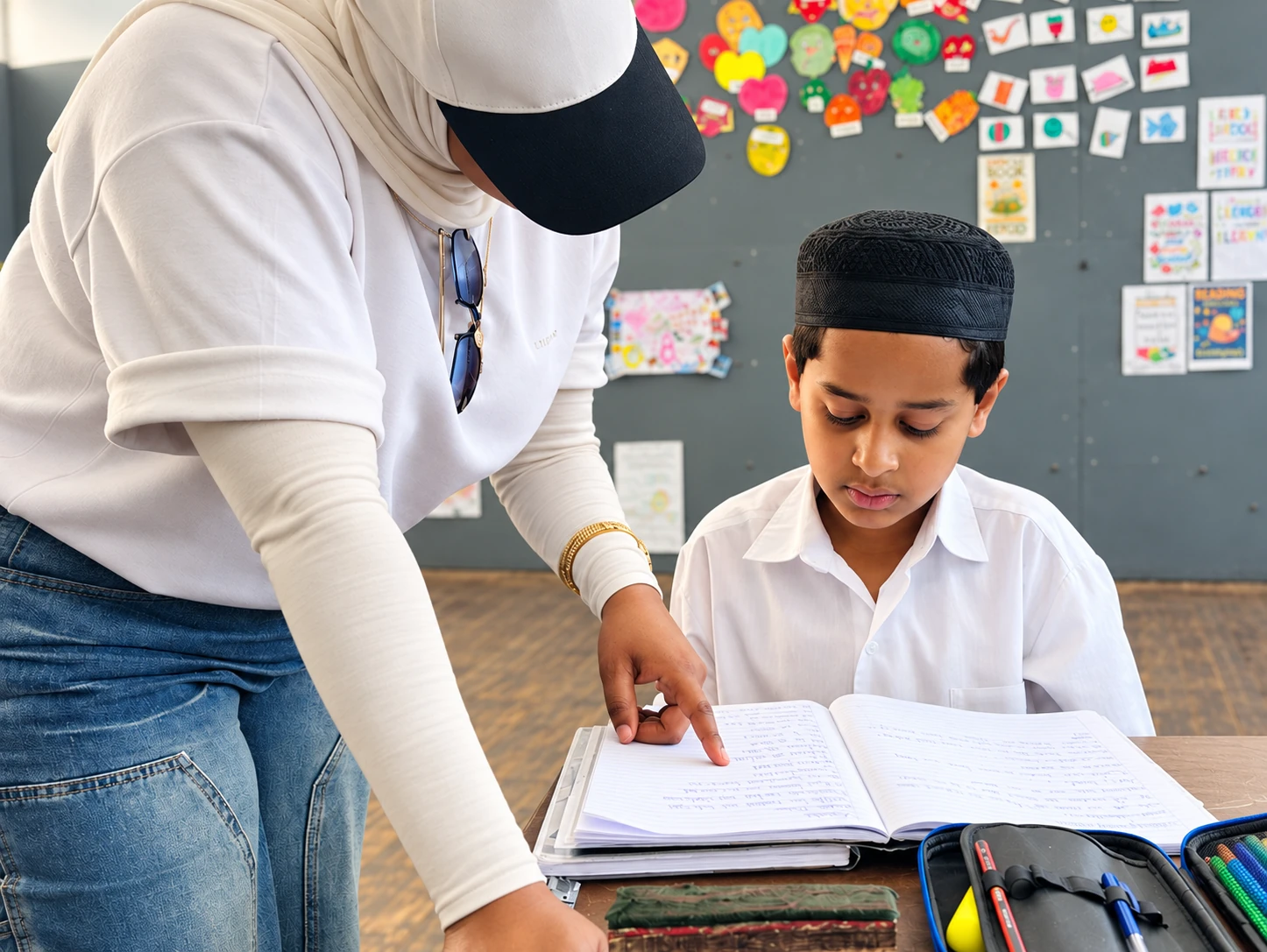
Consider the learner’s role too. Can he describe a problem and ask for help before it escalates? Does he know whom to approach? During a visit, ask how the school introduces those routes to new learners. A parent should not have to guess whether a concern belongs with a class teacher, another staff member or the office.
Check academic progression and subject choices
For primary school, discuss the skills and routines needed for the next stage. For high school, ask about the current subjects, selection process and any constraints on combinations. Do not assume that a subject appearing in a general brochure is available to every learner in every year.
Invite your son into the discussion at a level appropriate to his age. Ask what he enjoys, what he finds difficult and what he would like to explore. Then obtain accurate information about the available route rather than expecting an early career preference to settle the whole school decision.
Explore interests beyond one activity
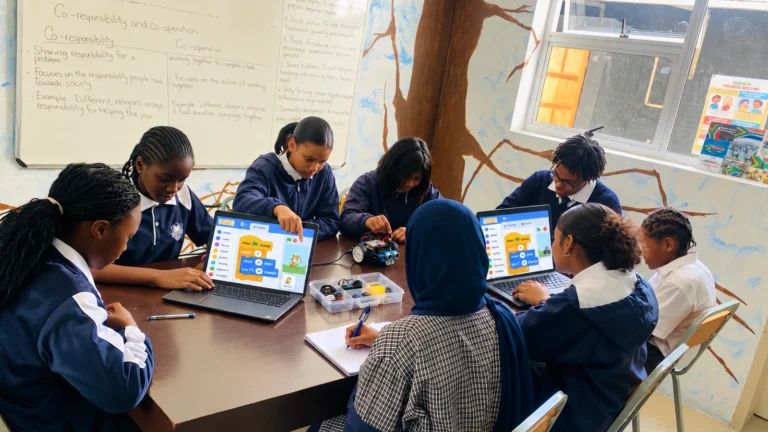
Sport may be important, but it should not be the only way a learner can participate or belong. Ask about the current opportunities in STEM, coding, robotics, creative work and other relevant activities. Establish the age groups, scheduling, access and any costs before treating an activity as part of the decision.
The Allied STEM and future skills page can help you frame questions about practical learning. Ask how an activity connects with the curriculum and what learners are expected to do themselves. A photograph of a robot is less informative than an explanation of the problem learners are trying to solve.
Assess communication and wellbeing together
Ask how the school communicates progress and how a learner or parent can raise a sensitive concern. Find out what happens after the first report and how a follow-up conversation can be arranged. Do not assume that a friendly initial interaction establishes every part of the ongoing process.
You can test the explanation with a scenario: “If my son begins avoiding homework or seems unsettled, who should we contact?” A useful answer identifies a route and the information staff would need. It should leave room for investigation rather than attributing every change to a single cause.
Include location and cost in the educational decision
A workable daily journey affects the whole family routine. Compare travel at relevant times, collection arrangements and how after-school commitments would fit. Do not accept an untested travel-time estimate as a reason to overlook a practical difficulty.
Allied Boys Fordsburg is located at 44 Bree & Burghersdorp Street, Fordsburg. Families researching Johannesburg and nearby Mayfair should assess that actual location. Read the current branch fee schedule and distinguish tuition, registration and optional services. Ask about any unclear payment terms before committing.
Compare evidence after the tour
- What did the school explain about teaching and feedback?
- How are expectations, concerns and parent contact handled?
- Which subjects and activities are confirmed for the relevant grade?
- What did your son notice about the environment?
- Can your family sustain the journey and full cost?
- Which questions still need a written answer?
Use the same questions across your shortlist. This makes it easier to compare substance without turning the decision into a competition between polished presentations. Keep your son’s response alongside the factual information, especially where a concern is important to his ability to settle.
For an enquiry about the Fordsburg branch, use the Allied Boys preparation guide to organise grade, programme and practical questions.
If Allied Boys is one option, book a Fordsburg Boys tour and read the admissions information. A strong next step is a focused conversation about your son’s needs and the school’s actual provision, rather than a general conclusion about boys schools as a category.
Fees, programme availability and admissions arrangements can change. Check the current branch information and speak to the relevant team. Our editorial standards.
Published 24 November 2026 · Updated 24 November 2026